
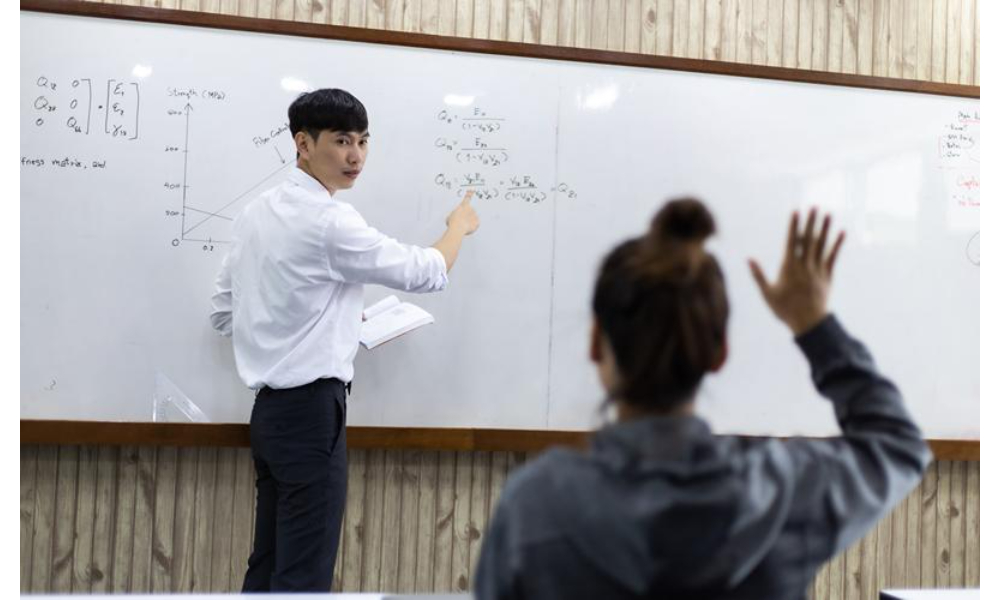
Mathematics can feel like the invisible wall separating a child’s potential from their PSLE success. While numbers and problem-solving are meant to inspire logical thinking, they often become stumbling blocks for students who lack confidence or foundational understanding. Fortunately, a new generation of primary math tuition programmes is changing with interactive teaching methods, hands-on problem exploration, and engaging PSLE holiday programmes. Educators are reshaping how children see Maths as a skill to master.
Why Maths Feels Intimidating
Students often equate mistakes with failure, developing a fear that limits curiosity. This fear can start as early as Primary 3 and intensify by PSLE level, especially when word problems or unfamiliar question formats appear.
What separates struggling learners from successful ones is mindset and exposure. Through the right primary math tuition in Singapore, children learn to treat problem-solving as a puzzle to enjoy rather than an exam trap to avoid. Structured lessons encourage discovery, collaboration, and reflection in turning apprehension into assurance.
Concept over Memorisation
Traditional learning once emphasised speed and rote memorisation. Instead of drilling equations endlessly, teachers help students understand why formulas work.
This method nurtures critical thinkers who can transfer knowledge across topics. In PSLE holiday programmes, students tackle real-world scenarios, making Maths practical and even fun. When ideas click, confidence follows naturally.
Breaking the “I’m Just Bad at Maths” Mindset
Programmes rooted in positive reinforcement remind children that ability grows through effort and strategy. Teachers in primary math tuition in Singapore now integrate growth-mindset principles of celebrating small improvements, encouraging multiple solution paths, and framing errors as learning tools.
Students begin to associate challenge with curiosity, not frustration. This psychological shift transforms how students approach every subject beyond Maths.
Support Systems that Work
Parents play a role in sustaining motivation. Modern tuition centres are recognising this by involving parents in progress updates and at-home practices. Through short review summaries or optional take-home challenges, parents can reinforce techniques taught in class without reverting to pressure or scolding.
When both home and classroom align, barriers to understanding shrink. PSLE holiday programmes often include family-friendly workshops where parents witness how today’s problem-solving frameworks differ from the methods they grew up with.
The Role of the PSLE Holiday Programmes
For many families, the school break once meant an academic pause. Now, it’s an opportunity to consolidate learning before the PSLE. The best PSLE holiday programmes balance intensity with innovation, combining revision drills with creative games, timed quizzes, and group problem challenges.
These workshops bridge the gap between classroom concepts and examination readiness. Students revisit challenging topics such as ratios or geometry through hands-on exploration, rather than passive repetition. By the time school resumes, the content feels familiar, and confidence feels earned. More importantly, these programmes reduce the pressure that builds before PSLE season by framing practice as progress.
Technology and the Modern Maths Classroom
Visual learning tools allow students to manipulate shapes, adjust measurements, and test hypotheses instantly. Many primary math tuition centres in Singapore use adaptive software to track progress and tailor exercises to each learner’s pace.
For auditory or kinesthetic learners, these platforms turn static lessons into dynamic experiences. When students see how Maths connects to everyday life, they start engaging voluntarily rather than reluctantly. The fusion of tech and teaching is making Maths less intimidating and more intuitive.
Maths in Daily Life
One persistent misconception is that Maths exists only on paper. In truth, children use Maths constantly while baking, shopping, or organising their pocket money. Tuition programmes that connect theory to daily activities help students appreciate relevance and purpose.
For instance, PSLE holiday programmes may simulate a mini-business fair where children calculate profits, measure materials, and compare costs. By applying numbers to tangible outcomes, they experience a sense of achievement that theory alone rarely provides. These authentic applications turn abstract ideas into lifelong skills.
The Future of Maths Learning in Singapore
Singapore’s education system has long been admired globally for its structured Maths curriculum. But the real innovation now lies in accessibility and personalisation. Learning is becoming more inclusive for different abilities, learning styles, and emotional needs.
The continued rise of interactive primary math tuition in Singapore programmes signals a shift toward empathy-based education that values emotional resilience as much as numerical accuracy. As more centres embrace this approach, future generations will grow up viewing Mathematics as a language to express reasoning and creativity.
Conclusion
Breaking barriers in Maths education is about nurturing confident thinkers who approach challenges with curiosity. Whether through structured lessons or immersive PSLE holiday programmes, Singapore’s new wave of tuition and enrichment initiatives proves that meaningful learning happens when fear gives way to understanding. Behind every solved problem is a story of persistence and belief. And when a child learns to enjoy that journey, the once-intimidating subject becomes a lifelong source of confidence.
Ready to transform your child’s Maths journey? Reach out to Concept Math today.