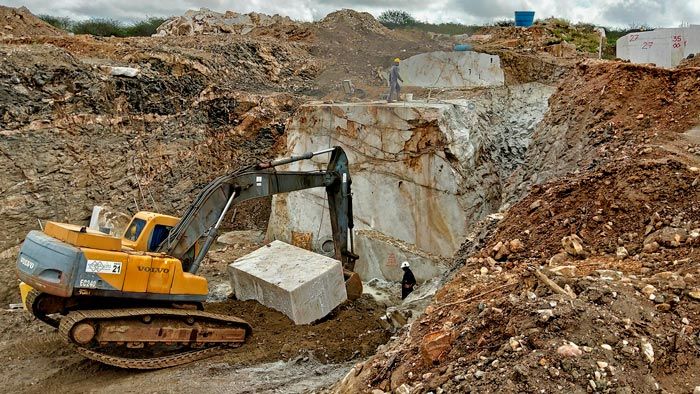
Excavator Safety Tips Every Lebanon Contractor Should Follow

Excavators give contractors the power to move soil, clear sites, and handle heavy workloads with precision. Their strength makes them valuable, yet that same strength demands disciplined safety habits. A well-planned approach protects workers and prevents damage on active jobs.
Contractors who rely on reputable suppliers like Harris Trading Company – your Lebanon, TN equipment supplier, or similar sources gain access to machines that meet required standards. Safe equipment reduces preventable hazards and supports clean performance on demanding tasks. When skilled crews pair solid machines with strong habits, jobsite risks drop sharply. This combination keeps projects steady and crews protected.
Safe Inspections Before Operation
A detailed equipment check prevents surprises once the excavator reaches full power. Cracks, leaks, or loose parts create hazards that escalate under heavy load. Operators in Lebanon should examine the boom, arm, bucket, hoses, and tracks before entering the cab. Small repairs at the start of the day avoid major issues later.
Controls must respond cleanly without delay. Any stiffness or drift in the levers shows that the system needs attention. Hydraulics should hold pressure without sudden drops. These checks help maintain a safe environment before the first cut of the bucket.
Strong Awareness of Surroundings
Excavator work requires full awareness of the ground, workers, and structures nearby. Blind spots make large machines unpredictable without careful planning. Spotters help guide the operator and clear people from the swing path. This teamwork protects the crew on tight job sites in Lebanon.
Soft soil or uneven slopes add more risk. The operator adjusts the approach when the ground shifts or settles under the tracks. Slow, controlled movement prevents tipping or sudden slides. These habits keep both the machine and crew stable during active work.
Clear Communication on the Jobsite
Communication becomes vital once the excavator starts moving. Hand signals, radios, and eye contact help the crew understand every shift in direction. Confusion on the ground can lead to unsafe positions near the bucket or counterweight. A clear system prevents missteps.
The operator sets a pace that gives workers time to react. No action should begin without confirmation from nearby team members. This discipline creates a rhythm that improves safety and efficiency. Crews in Lebanon rely on this steady approach to reduce stress during high-pressure projects.
Safe Use of Attachments and Tools
Attachments expand an excavator’s capability, yet they must match both machine and task. Weight, locking systems, and hydraulic flow all influence safe performance. The wrong attachment stresses the machine and endangers workers. The correct match ensures stable operation.
Installation should follow precise steps without shortcuts. A loose coupler or misaligned pin increases the risk of sudden drops. Contractors who source equipment through reliable suppliers like Harris Trading Company – your Lebanon, TN equipment supplier, or similar providers, gain confidence in the quality of attachments. Correct pairing supports safe performance from start to finish.
Safe Parking and Shutdown Procedures
An excavator must be secured properly at the end of the shift. Parking on level ground prevents rolling or sliding after the operator steps away. Lowering the bucket stabilizes the machine and removes pressure from the hydraulic lines. These steps also protect the equipment from overnight stress.
Shutting down the system allows the engine and hydraulics to cool safely. The key should be removed, and the cab locked when the site clears. Crews return the next day to a stable machine without unexpected issues. This final routine strengthens long-term safety on projects in Lebanon.
Excavator safety begins with disciplined habits that support both workers and equipment on job sites in Lebanon. Clean inspections, clear communication, steady awareness, and secure shutdown routines all contribute to safer days in the field. Reliable attachments and quality machines further reduce risk and create a stronger workflow. By following these practices, contractors protect their crews and complete projects with confidence and control.