
Are Adventure Activities Safe for Kids? What Parents Should Know
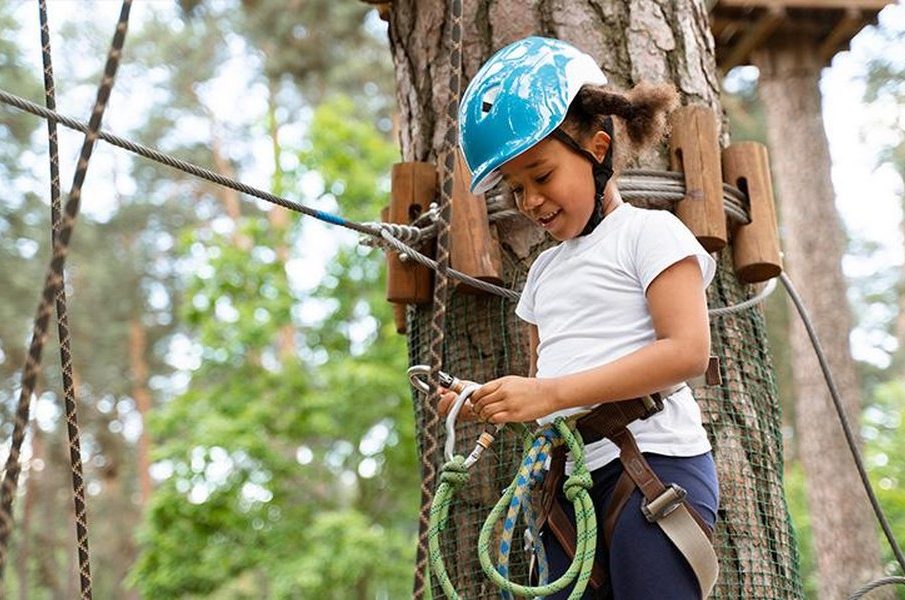
Key Highlights
- Modern adventure parks prioritise robust safety standards, making them a calculated, not reckless, risk.
- Proper parental diligence involves checking accreditation, staff-to-child ratios, and equipment certifications.
- Activities like the flying fox develop confidence, motor skills, and risk assessment in a controlled environment.
- Preparation, including suitable clothing and listening to instructors, is paramount for a safe experience.
Introduction
We often associate “adventure activities” with high-stakes danger, conjuring images of unsupervised recklessness. Yet, the reality of professionally managed high-element courses and outdoor centres presents a strikingly different picture. For parents navigating the landscape of modern leisure, understanding this distinction is crucial when evaluating things to do with kids that truly contribute to their development. The question is not simply, “Is it safe?” but rather, “How is the safety of this experience meticulously managed?” Adventure playgrounds are not just a place to burn off energy; they are carefully engineered environments designed for growth through calculated risk exposure.
Demanding Non-Negotiable Safety Standards
Any responsible parent’s first priority is due diligence. You are the ultimate risk assessor for your family, and that requires knowing exactly what safety measures are in place. Look beyond the flashy obstacle and scrutinise the operational scaffolding.
Premier adventure sites operate under strict international and local safety standards, which dictate everything from daily equipment checks to instructor certification. When seeking out invigorating things to do with kids, you must confirm the facility’s staff-to-child supervision ratio and their comprehensive emergency action plan. It is a fundamental expectation that all harnesses, carabiners, and ropes meet current industry safety specifications. This meticulous attention to detail transforms activities from potential hazards into controlled developmental challenges.
The Calculated Joy of the Flying Fox
Consider the sheer exhilaration of a child soaring through the air on a cable, perhaps experiencing a flying fox in Singapore. This iconic high-element activity perfectly illustrates the principle of managed risk. While the sensation is one of complete freedom and speed, the reality involves a triple-checking of safety lines, robust braking systems, and continuous supervision by trained professionals. The height and speed are carefully calibrated to be challenging yet entirely within the parameters of safety certification for young participants.
For children, overcoming the initial hesitation before launching into a flying fox in Singapore is a profound moment of personal achievement. They learn about gravity, velocity, and trust-not just in the equipment, but in themselves. This isn’t merely recreation; it’s experiential learning. Parents often observe a significant boost in confidence after their children successfully complete a challenging course. Including high-element fun in your regular rotation of things to do with kids fosters resilience and better judgment about physical capabilities.
Preparing Your Child for Success and Safety
Safety also hinges on preparation. An adventure activity is not a passive pursuit; it demands active participation and adherence to rules. Before arriving, ensure your child understands the importance of listening to instructors immediately and wearing appropriate attire, which typically means closed-toe shoes and comfortable clothing that does not restrict movement.
A responsible operator will always provide a detailed briefing and practice session before children access the main course. These preparatory steps are not bureaucratic hurdles; they are critical safeguards. By instilling this respect for safety protocols, you are teaching your child invaluable life skills that extend far beyond the adventure park.
A truly beneficial adventure experience is one where the child feels empowered, not overwhelmed. If the activity is too far outside their comfort zone, the experience can become counterproductive. Therefore, selecting age-appropriate courses is essential. Reputable centres offer varying difficulty levels, guaranteeing that a five-year-old’s challenge is appropriately scaled compared to a twelve-year-old’s. This careful segmentation ensures that every participant, from the timid novice to the seasoned junior adventurer, faces a stimulating yet secure environment. By prioritising this alignment, you ensure that the memories created are positive, challenging, and wholly safe.
Conclusion
Adventure activities, when delivered by accredited professionals and approached with parental diligence, are not a risk to be avoided but a reward to be embraced. They offer a unique avenue for children to develop physical literacy, emotional resilience, and responsible risk-taking in environments where every potential hazard has been mitigated. Embrace the challenge; the safety is already built into the system.
Ready to elevate your next family outing? Contact Forest Adventure today to discover how our meticulously maintained, thrilling high-element activities can provide a safe and unforgettable adventure for your children in Singapore.