
Aerospace Tooling and Machining: Advanced Composite Tooling and Layup Molds for Precision Manufacturing
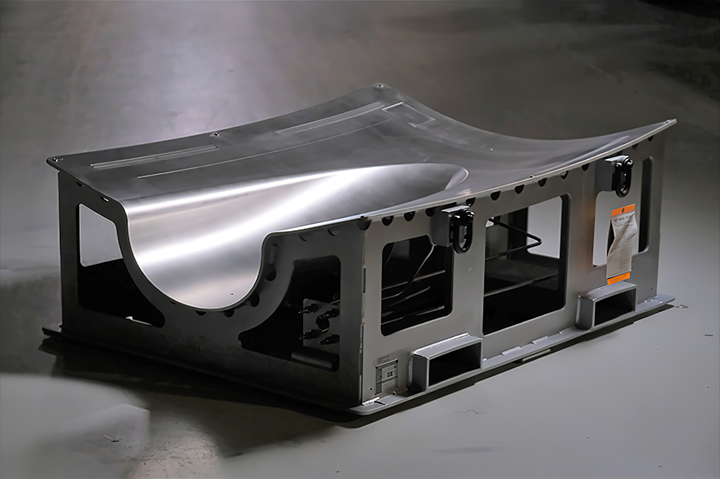
In today’s highly competitive aviation and space sectors, aerospace tooling and machining play a critical role in ensuring precision, repeatability, and structural integrity. From prototype development to full-scale production, manufacturers rely on advanced aerospace tooling solutions to meet strict regulatory requirements and performance standards. As composite materials continue to replace traditional metals in aircraft structures, the demand for specialized Composite Tooling, precision-engineered Layup Molds, and experienced composite tooling manufacturers has grown rapidly.
The Importance of Aerospace Tooling in Modern Manufacturing
The aerospace industry demands uncompromising quality. Every component must meet exact dimensional tolerances while maintaining lightweight strength and durability. Aerospace tooling ensures that structural parts such as fuselage panels, wing sections, nacelles, radomes, and interior components are manufactured consistently and accurately.
Tooling systems in aerospace manufacturing are designed to:
• Maintain tight tolerances across large composite structures
• Withstand high curing temperatures and autoclave pressures
• Provide dimensional stability over repeated production cycles
• Support efficient layup and assembly processes
Because composite parts often involve complex geometries, advanced aerospace tooling and machining techniques are required to produce molds, patterns, and fixtures that meet exact engineering specifications.
The Rise of Composite Tooling
As aerospace design increasingly relies on carbon fiber and other advanced composites, Composite Tooling has become a central focus of manufacturing innovation. Composite materials offer weight reduction, corrosion resistance, and improved fatigue performance compared to traditional aluminum or steel.
However, these advantages also introduce complexity. Tooling must accommodate:
• Thermal expansion differences between materials
• High-temperature cure cycles
• Precision surface finishes for aerodynamic performance
• Repeatable dimensional accuracy for certification standards
Modern composite tooling manufacturers utilize advanced materials such as carbon fiber tooling boards, high-temperature prepregs, and Invar for low thermal expansion. These materials help maintain structural integrity during repeated curing processes while ensuring high-quality part replication.
Layup Molds: The Foundation of Composite Structures
At the heart of composite part production are Layup Molds. These molds serve as the foundation on which composite plies are carefully positioned before curing. The quality of the final aerospace component is directly linked to the precision of the layup mold.
Key characteristics of high-performance layup molds include:
• Smooth, defect-free surfaces
• Accurate geometric conformity
• Structural rigidity under vacuum and pressure
• Compatibility with automated fiber placement systems
Precision-engineered layup molds reduce material waste, improve production efficiency, and ensure consistent structural performance across batches. In high-volume aerospace programs, this consistency is essential for maintaining both safety and cost control.
Advanced Machining Capabilities in Aerospace Tooling
High-end aerospace tooling and machining processes combine computer numerical control (CNC) machining, 5-axis milling, and advanced CAD/CAM programming to deliver superior results. These technologies allow manufacturers to produce large-scale composite patterns and tooling structures with exceptional accuracy.
Modern machining centers enable:
• Large-format mold fabrication
• Complex contour machining
• High-speed material removal with minimal distortion
• Surface finishing that meets aerospace-grade standards
By integrating digital design with precision machining, aerospace tooling providers can shorten lead times while maintaining strict compliance requirements.
The Role of Experienced Composite Tooling Manufacturers
Not all tooling providers are equipped to handle aerospace demands. Reliable composite tooling manufacturers bring together engineering expertise, material science knowledge, and advanced machining infrastructure.
An experienced manufacturer understands:
• Aerospace certification requirements
• Tooling validation and inspection protocols
• Thermal and mechanical behavior of composite systems
• Integration with customer production workflows
This collaborative approach ensures that tooling solutions align with performance goals, production schedules, and regulatory standards.
Supporting Innovation in Aerospace Engineering
The evolution of aircraft design—whether in commercial aviation, defense, or space exploration—relies heavily on advanced aerospace tooling. As aircraft structures become more complex and lightweight, tooling solutions must evolve alongside them.
From prototype tooling for R&D programs to full-rate production tooling for major aerospace platforms, integrated Composite Tooling solutions provide the foundation for innovation. Carefully engineered Layup Molds, combined with precision aerospace tooling and machining, allow manufacturers to achieve superior aerodynamic surfaces, reduced structural weight, and enhanced durability.
Precision, reliability, and technical expertise define modern aerospace tooling and machining. As the industry continues shifting toward advanced composites, demand for specialized Composite Tooling, expertly engineered Layup Molds, and trusted composite tooling manufacturers will only increase.
High-performance tooling is not simply a manufacturing accessory—it is a strategic asset that determines production efficiency, structural integrity, and long-term success in aerospace programs. By investing in advanced aerospace tooling solutions, manufacturers position themselves to meet the evolving demands of next-generation aviation and space technologies.